Introduction
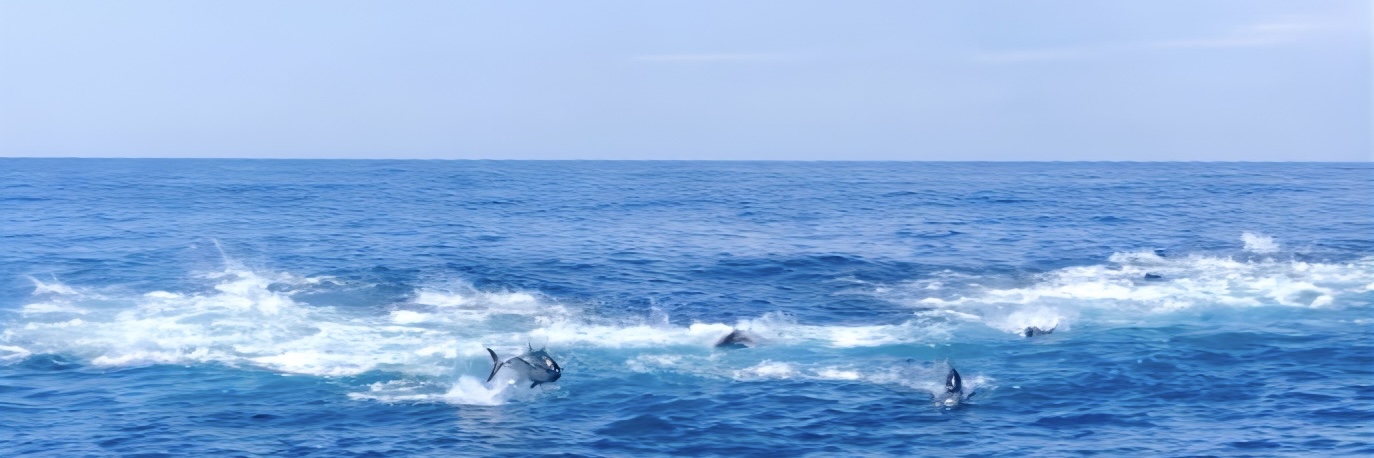
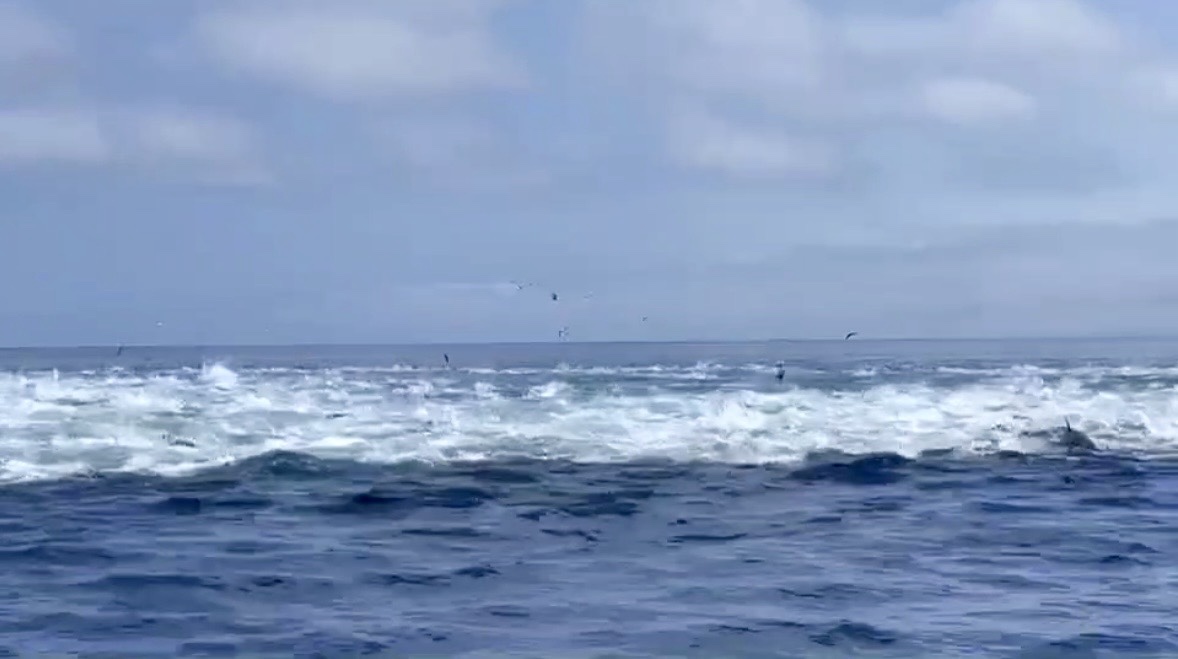
In 2024, Japan’s anime industry reached a market size of ¥3.8446 trillion (approximately $25.2 billion). When people think of Japan’s cultural exports, anime, sushi, and ramen come to mind first. But now, a third cultural export is quietly spreading across the globe: tuna casting. Known in Japanese as “maguro casting”(マグロキャスティング), this fishing method was born approximately 32 years ago in Aomori Prefecture, northern Japan.
The Beginning — Mr. Ichiro Sato’s Challenge
The history of tuna casting begins with one angler. Mr. Ichiro Sato, based in Aomori Prefecture, started an unprecedented challenge approximately 32 years ago (as of his Anglers Time 2026 interview): catching bluefin tuna on lures. At the time, tuna was exclusively targeted by commercial fishermen using longlines or traditional pole-and-line methods. The very idea of casting a lure to catch bluefin tuna simply did not exist.
Sato spent years experimenting in the waters around Mutsu Bay and Kurokujima Island. For the first few years, he caught nothing. He didn’t even know whether tuna would respond to lures at all. It was a journey of pure trial and error.
Year Three, July 2nd
The breakthrough came in his third season. Sato modified a 140-model sakura trout minnow (28 g) by increasing its weight to 60 g. On July 2nd, he finally landed two bluefin tuna, each weighing approximately 20 kg. It was the first time in history that bluefin tuna had been caught by lure casting.
An Era Without Proper Tackle
At the time, no tackle specifically designed for tuna casting existed. Rods had to be repurposed or custom-modified. Reels were imported from overseas. PE braided lines were still unreliable in strength, and line breaks during fights with large tuna were common.
To solve this problem, Sato began developing his own rods. This became the foundation of the SOULS brand. Built on the philosophy of “pursuing function and performance to the absolute maximum, with zero compromise and no regard for cost-performance ratio,” the first tuna casting-specific rods were born. Today, the SOULS Level series offers 9 models covering PE6 through PE14, and the Ashura series has proven itself against monster-class tuna on expeditions to the United States. (Reference: SOULS SALT ROD Series)
The 100 kg Barrier
As tackle evolved, so did the records. In July 2008, Sato landed a 98 kg bluefin tuna, coming tantalizingly close to the 100 kg barrier. In September of the same year, he broke through with a 131.5 kg fish. Then in 2009, he set his personal best: a 186 kg bluefin tuna caught by casting. (Reference: VARIVAS — Ichiro Sato Tackle Feature, DAIWA 25 SALTIGA)
The Tuna Resource Crisis
As tuna casting grew in popularity, resource management became a pressing issue. For the 2025–2026 season, Japan’s recreational fishing regulations set an annual quota of 60 tonnes, with a monthly cap of 5 tonnes (reduced to 3 tonnes from September onward). Bluefin tuna under 30 kg are prohibited year-round. For fish over 30 kg, the limit is one per angler per month, and catches must be reported within one day. (Reference: Anglers Time)
Spreading Across Japan
Born in Aomori, tuna casting gradually spread throughout Japan.
In the Genkai-nada Sea (northern Kyushu), the catch ratio once stood at 70% tuna and 30% yellowtail amberjack (hiramasa), but in recent years has shifted to approximately 90% hiramasa. (Reference: Sunrise Genkai-nada)
In Sagami Bay (south of Tokyo), yellowfin tuna casting took off around 2007. Today, it is the largest tuna casting field in the Kanto region.
On the Tango Peninsula in Kyoto, bluefin tuna over 100 kg have been caught by casting since around 2022.
Off Oarai in Ibaraki Prefecture, a 177 kg bluefin tuna record stands.
In Hokkaido, from the Tsugaru Strait to the Shakotan Peninsula, summer tuna casting activity has been growing year after year.
Off Kume Island in Okinawa, 30 kg-class yellowfin tuna can be targeted near payao (fish aggregating devices).
And Now, the World
Today, tuna casting is practiced in more than 25 countries and regions. The U.S. East Coast (Cape Cod, North Carolina), Canada (Prince Edward Island, Nova Scotia), Mediterranean nations (Spain, France, Italy, Croatia), Australia (Port Lincoln), and many more — anglers around the world are casting lures at tuna. And remarkably, most of them are using Japanese-made tackle. Why is that? We’ll explore the answer in detail in Chapter 2.
Afterword
Approximately 32 years ago, one angler on the coast of Aomori began a solitary challenge. Today, that challenge has spread to more than 25 countries and regions worldwide. Following anime and food culture, tuna casting is Japan’s third cultural export. And this story is only just beginning.
Sources
| Source | URL |
|---|---|
| Anglers Time — Ichiro Sato Interview | anglers-time.com/7672/ |
| VARIVAS — Ichiro Sato Tackle Feature | varivas.co.jp (Maguro Casting) |
| Sunrise Genkai-nada — Tuna History | sunrise.genkainada.jp/6592/ |
| SOULS Official Website | souls.jp |
| SOULS SALT ROD Lineup | souls.jp/products/salt-rod/ |
| DAIWA 25 SALTIGA | daiwa.com (25 SALTIGA) |
Next: Chapter 2 — “Why Is Tuna Casting Tackle Mostly Japanese-Made?”
コメント